Buying Guide
Fire-Rated Doors Explained: EN 1634 and 60 vs 90 Minutes
22 July 2026
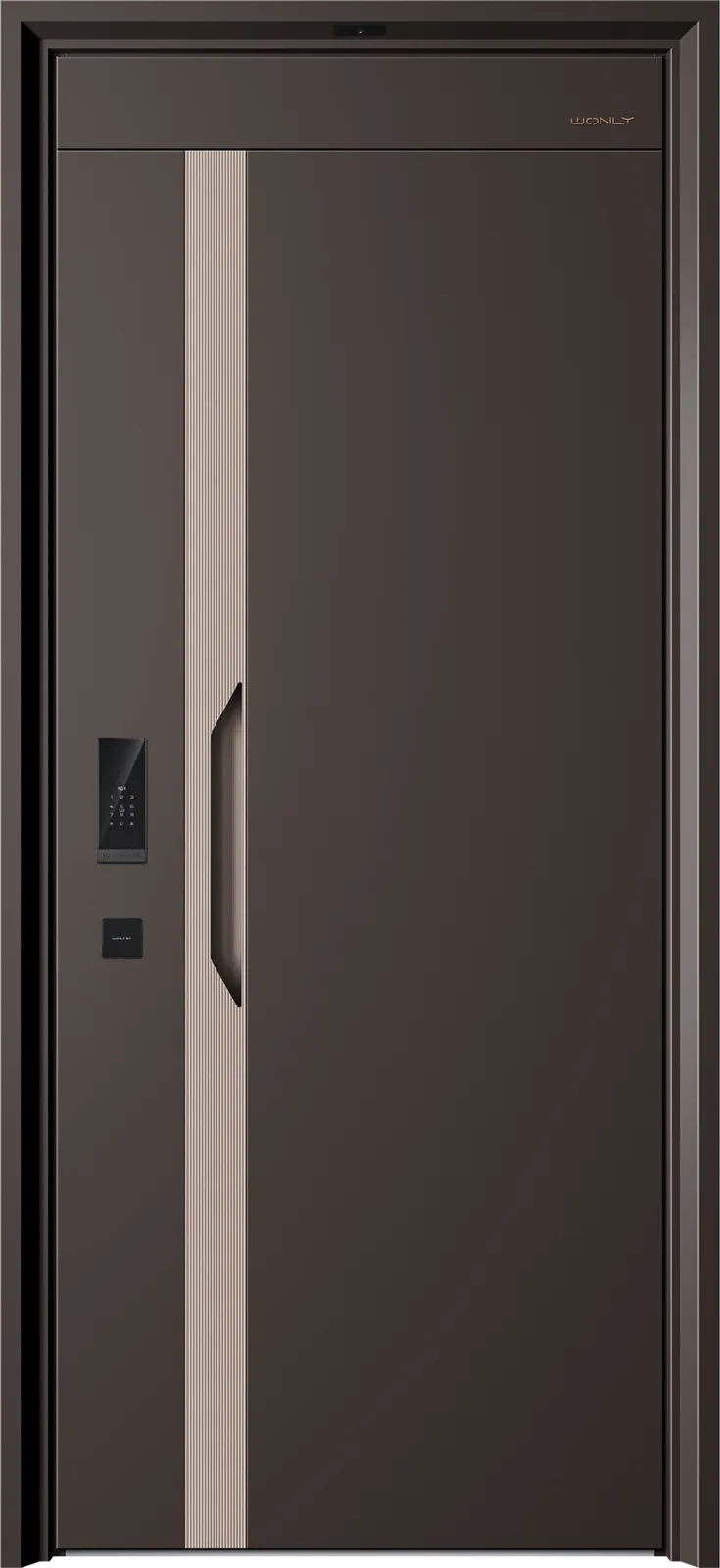
EN 1634 testing, integrity vs insulation, and 30/60/90/120 minutes — how fire-door ratings work and how to specify the right one for hotels, hospitals and apartments.
A fire-rated door is a life-safety product: in a fire it must hold long enough for people to escape and for the fire to be contained. But “fire-rated” only means something when it is tied to a tested rating. This guide explains fire-door ratings, the EN 1634 standard, and how to specify the right one for hotels, hospitals, apartments and public projects.
What a Fire Rating Actually Measures
A fire door is tested to a recognised standard — EN 1634-1 in Europe and most export markets, or UL 10C in North America — and rated by how many minutes it holds back fire. The common ratings are 30, 60, 90 and 120 minutes. The higher the number, the longer the door contains fire and smoke.
Integrity vs Insulation: E and EI
- E — Integrity: the door stops flames and hot gases passing through for the rated time
- I — Insulation: the door also limits heat transfer to the unexposed side, so the escape route stays usable
So a door rated EI 90 provides both integrity and insulation for 90 minutes, while an E 90 door provides integrity only. For escape corridors and compartment walls, EI ratings are usually required.
60 vs 90 Minutes — Which Do You Need?
- 30 min (EI 30) — doors within dwellings and low-risk internal openings
- 60 min (EI 60) — apartment entrances, corridors and common areas
- 90 min (EI 90) — higher-risk compartments, commercial and institutional, and many export codes
- 120 min (EI 120) — critical separation such as plant rooms and high-rise cores
The exact requirement is set by local building code and the building's fire strategy, so always confirm the specified rating for each opening before ordering. In many Gulf, Southeast Asian and Central Asian projects, 90-minute doors are the practical benchmark.
Fire Rating Is Not a Security Rating
A common buyer mistake is assuming a fire door is also a security door. They are two separate tests: fire performance (EN 1634) and burglar resistance (EN 1627 / GB 17565). The good news is that a well-engineered door can carry both. For entrances that need protection and fire compliance — hotels, hospitals, apartments — specify a door certified for both.
How to Specify a Fire-Rated Door Correctly
- Confirm the rating per opening (E vs EI, and minutes) from the fire strategy
- Buy the certified doorset, not just the leaf — the rating applies to the door, frame, seals and hardware as a tested set
- Use the tested intumescent seals and closers — substitutions void the rating
- Get the test certificate and the matching hardware schedule
- Check destination-market approval for your project
WONLY Fire-Rated Doors
WONLY manufactures dedicated Engineering Fire Doors and Medical-Grade Doors alongside its security range:
- EN 1634 fire rating — 90-minute integrity, compliant with Gulf, SE Asia and Central Asia codes
- GB 17565 Class A security grade on applicable models, so one door can be both fire-rated and burglar-resistant
- 200,000+ cycle testing and certification to ISO 9001/14001, CE, UL, CMA and CSPA
- Backed by 30 years of manufacturing and 1,000+ patents (listed — SSE 605268)
FAQ
What does a 90-minute fire door mean? It has passed EN 1634 testing and holds back fire (and, for an EI rating, heat) for 90 minutes, giving time to evacuate and contain the fire.
Can a door be both fire-rated and security-rated? Yes — a well-engineered doorset can carry an EN 1634 fire rating and an EN 1627 / GB 17565 security grade at the same time.
Specifying fire-rated doors for a hotel, hospital or apartment project? WONLY supplies certified fire-rated and dual-rated doors for export, with full test documentation for customs and tenders.