Technology
Fingerprint vs Face vs Palm-Vein: Smart Lock Biometrics Compared
2 September 2026
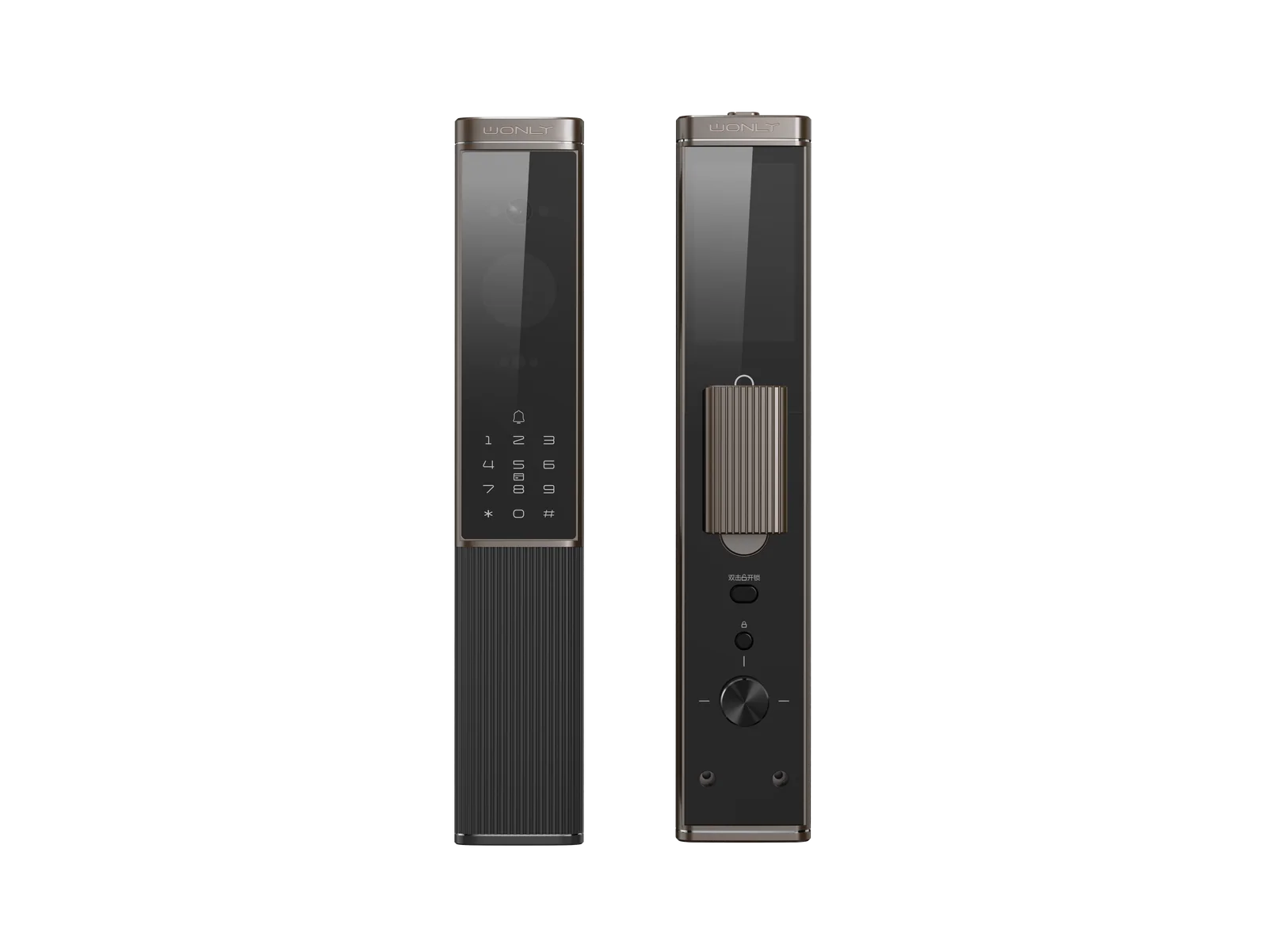
Speed, spoof resistance, wet hands and elderly users — how the three biometrics differ, and why flagship locks carry all three.
Every biometric has a failure mode: fingerprints struggle with wet or worn skin, face systems must beat spoofing and backlight, palm-vein needs a deliberate gesture. That is why the comparison matters — and why the best answer for a family door is usually “more than one”.
Head to Head
- Fingerprint — fastest habitual unlock; excellent for daily users; weaker with wet, dirty or age-worn prints; capacitive sensors resist fake-print attacks
- 3D face — completely hands-free at approach; best for arms-full arrivals and accessibility; requires depth sensing to resist photo spoofing; works in darkness via IR
- Palm-vein — reads vein patterns beneath the skin, unaffected by surface wear and extremely hard to spoof; slightly more deliberate gesture; strong for high-security and elderly users
Match the Method to the Household
Young families lean on face unlock for pushchair-and-shopping arrivals; older users often find palm-vein more reliable than worn fingerprints; daily commuters default to fingerprint for speed. A multi-biometric lock lets each member use what works for them — which is exactly how return rates stay low for distributors.
The Security Baseline Under Any Biometric
- Local, encrypted template storage — biometric data never leaves the lock
- Anti-spoofing tested for the specific sensor type
- False-entry lockout, pry and tamper alarms
- Non-biometric fallbacks: anti-peep PIN, RFID, app and mechanical key
- Cycle-tested hardware so the mechanism outlives the electronics hype
Biometric convenience does not replace mechanical attack resistance. Buyers should verify the keyed backup, escutcheon and lock-body interface with the door core vs cylinder comparison, especially when a smart lock will be integrated into a complete security doorset.
WONLY's Multi-Biometric Approach
WONLY smart locks combine 3D face, fingerprint and palm-vein with RFID, PIN and app access in one platform — 200,000+ cycle tested, encrypted local storage, and available embedded in certified Class A doorsets or as standalone locks for distributor ranges, with OEM/ODM configurations for market-specific line-ups.
FAQ
Which single biometric is most secure? Palm-vein is generally hardest to spoof; 3D face with proper depth sensing is close behind. For a family door, breadth of reliable methods matters more than a single champion.
For distributor samples, firmware options, certifications and market-specific configurations, review the smart lock OEM/ODM programme or send your target specification through the project enquiry form.