Technology
Cast-Aluminium vs Steel Security Doors: What Buyers Should Know
24 June 2026
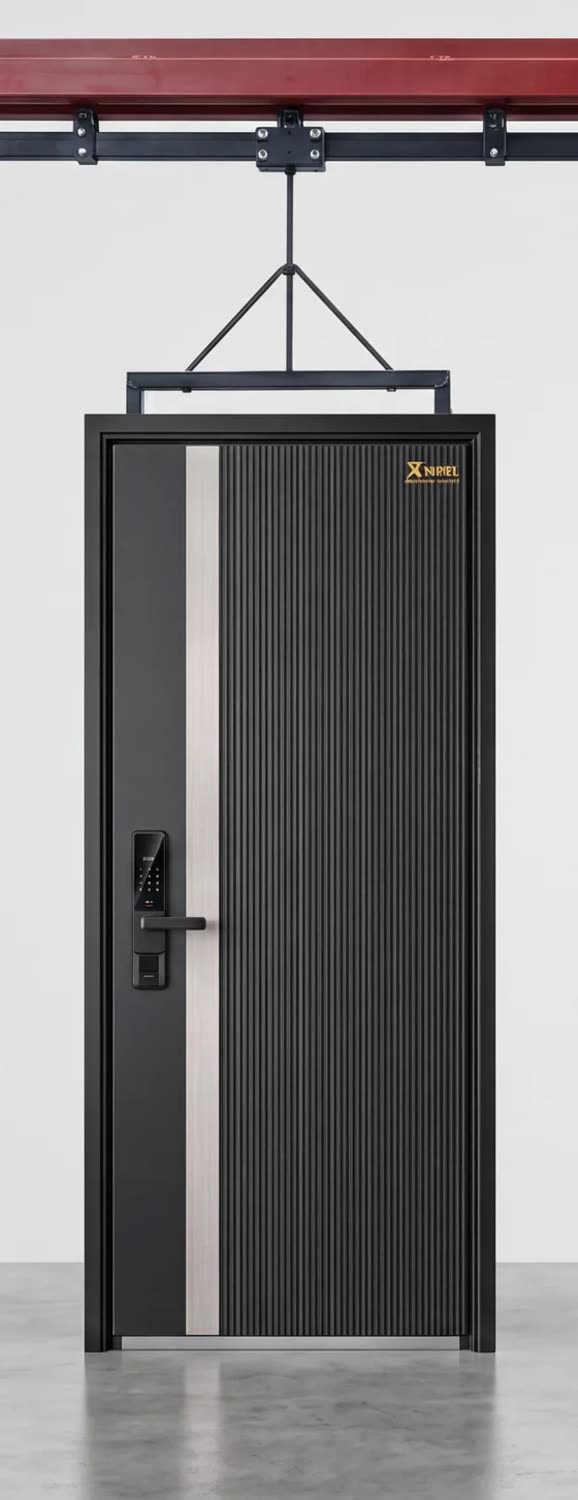
Which material for which market — cast-aluminium vs steel compared on strength, corrosion, weather, cost and the projects each one suits.
Steel has been the default security-door material for decades — but cast aluminium has become the premium choice for villas, coastal projects and export markets. For importers and project buyers, the right material depends on climate, budget and positioning. Here is a clear, practical comparison.
The Short Answer
- Steel — maximum raw strength per dollar, the cost-effective workhorse for standard security
- Cast aluminium — trades a little raw hardness for corrosion resistance, sculptural design and near-zero maintenance; ideal for humid, coastal and high-end projects
Both can achieve strong burglar-resistance ratings; the difference is longevity, environment and looks — not security alone.
Side by Side
- Corrosion and rust: cast aluminium does not rust; steel rusts wherever the coating is breached
- Best climate: aluminium for coastal, humid and tropical; steel for dry, sheltered entries
- Design freedom: aluminium casts into sculptural, textured forms; steel is mostly flat or stamped
- Weight: aluminium is lighter; steel is heavier
- Maintenance: aluminium near-zero; steel needs repaint or retouch to prevent rust
- Cost and positioning: steel for value and volume; aluminium for premium villas and flagship projects
Why Cast Aluminium Wins in Export Markets
For buyers in the Middle East, Southeast Asia, coastal Africa and Latin America, weather is the real enemy of a door. Salt air and humidity attack steel at any coating flaw, causing rust bleed and callbacks. Cast aluminium will not rust, holds its finish and needs almost no maintenance — protecting your brand and cutting warranty claims. Its casting process also enables sculptural, high-value designs that support a premium price point.
Where Steel Still Makes Sense
Steel remains a smart choice when the priority is maximum strength at the lowest cost and the door sits in a dry, protected location — internal or well-sheltered entries in value-focused residential and commercial projects. With a quality powder-coat and good detailing, steel gives dependable security at volume pricing.
Security Is Decided by Engineering, Not Just the Metal
- A verified burglar-resistance rating (EN 1627 / GB 17565)
- Multi-point locking with an anti-drill, anti-bump cylinder
- A strong frame, hinges and reinforcement
- 200,000+ cycle testing so the hardware lasts
A rated cast-aluminium door and a rated steel door can both stop a determined intruder — so choose the material for the environment and market, and let the rating and hardware guarantee the security.
How WONLY Builds Cast-Aluminium Doors
WONLY's flagship doors — the X70 robotic, 4.0 Global Series and K300 Pro — use a cast-aluminium construction over a steel core with climate-adapted engineering:
- Won't rust — built for Gulf, SE Asia and coastal projects
- Hurricane-rated to wind Class 12
- Class A security grade and EN 1634 90-minute fire rating on applicable series
- 200,000+ cycle tested; certified to ISO 9001/14001, CE, UL, CMA and CSPA
- Backed by 1,000+ patents and 30 years of engineering (listed — SSE 605268)
FAQ
Are aluminium security doors as secure as steel? Yes, when they carry the same burglar-resistance rating — security comes from the door's rated system, not the base metal alone.
Do aluminium doors rust? No. Aluminium does not rust, which makes cast-aluminium doors ideal for coastal and humid climates where steel would corrode.