Buying Guide
The Anti-Theft Door Buyer's Checklist for Developers and Contractors
7 August 2026
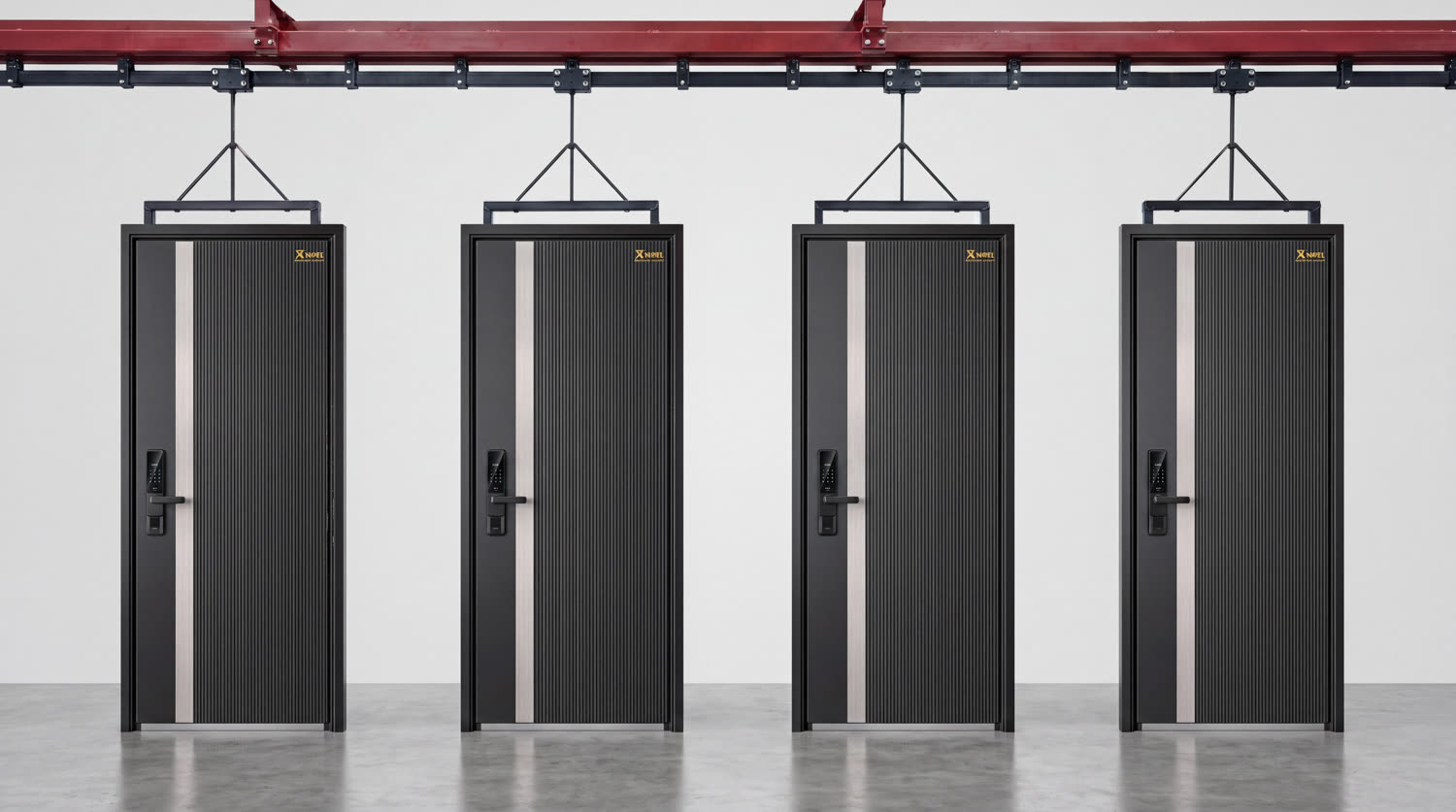
A 10-point checklist covering the rating, lock, frame, testing and supplier checks that keep an anti-theft door order from going wrong.
For a developer or contractor, an anti-theft door order goes wrong in predictable ways: an unverified rating, a weak cylinder behind a thick leaf, a frame that fails before the door does, or a supplier who cannot document what they shipped. This checklist closes each gap before you sign.
The 10-Point Checklist
- 1. Verified burglar-resistance rating (EN 1627 class or GB 17565 grade) with the test certificate
- 2. Multi-point locking — bolts engaging the frame on several edges, not just the lock side
- 3. Anti-drill, anti-pick, anti-bump cylinder — the lock core is the most-attacked point
- 4. Reinforced frame and strike — a strong leaf on a weak frame still fails
- 5. Concealed anti-lift hinges so the door cannot be levered off its pins
- 6. Cycle testing (200,000+ open/close) so hardware survives years of daily use
- 7. Fire rating where the building code requires it (EN 1634, e.g. 60 or 90 minutes)
- 8. Climate fit — corrosion-resistant construction for coastal and humid markets
- 9. Certification pack for your destination market (ISO, CE, UL, regional approvals)
- 10. Supplier substance — factory audit, production capacity, warranty and spare parts
Why the Cylinder Deserves Its Own Line
Most forced entries defeat the cylinder, not the slab. A standard figure-eight cylinder can be snapped or picked in minutes regardless of how thick the door is. Specify a tested high-security core — WONLY uses an industry-exclusive patented cylindrical lock core that resists technical opening far beyond the top national requirement and defeats drilling.
Documentation to Collect Before Shipping
- Test certificates for security grade and fire rating
- Material and coating specifications in writing
- Warranty terms and the spare-parts commitment
- Compliance documents your customs and insurers will ask for
FAQ
What single check eliminates the most bad suppliers? Asking for the actual test certificate with the tested doorset configuration — traders and low-grade factories usually cannot produce one that matches the product offered.
Do all openings in a project need the same specification? No — specify by exposure and code requirement per opening; that is where budget is saved without weakening security.