Technology
3D Face Recognition Door Locks: How They Work
31 August 2026
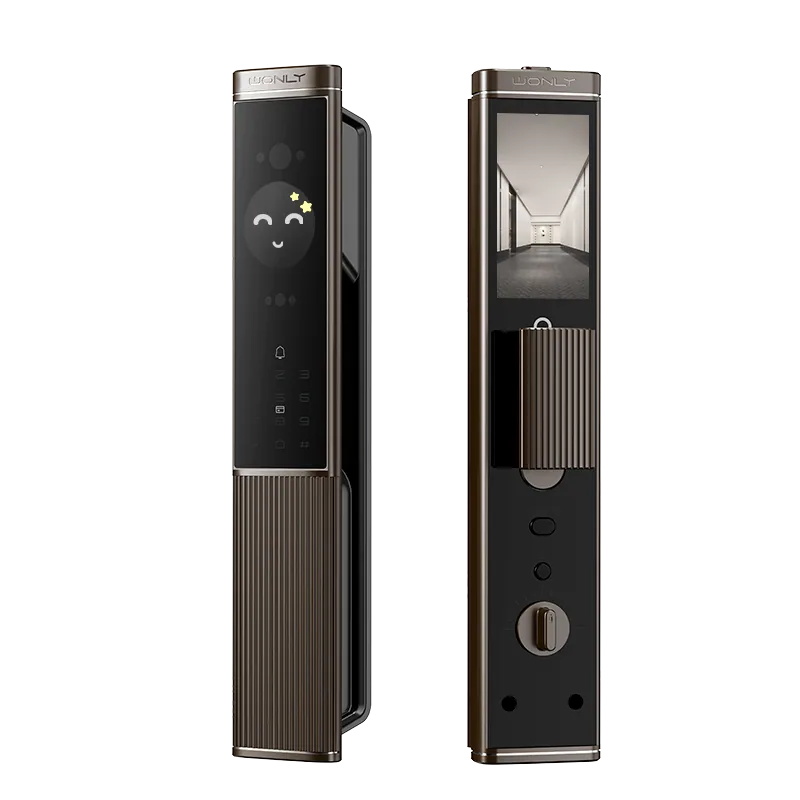
Depth-sensing cameras, sub-second matching and anti-spoofing — the technology inside hands-free face unlock, explained for buyers.
Face unlock is the access method buyers ask about first — walk up, look, walk in, hands full of groceries. But between a lock that recognises a face and one that can be fooled by a photo lies one word: depth. Here is how genuine 3D face recognition works and what to check before you specify it.
2D vs 3D: The Difference That Matters
A 2D system matches a flat camera image — and a flat image is exactly what a printed photo or phone screen provides, which is why 2D face unlock is a security risk on a front door. A 3D system projects structured infrared light and reads the reflection to build a depth map of the face — thousands of geometric measurements a photograph cannot fake.
What Happens in the Sub-Second
- A presence sensor wakes the module as you approach — typically from up to 1.5 m
- The IR projector casts a dot pattern; the camera reads the distortion as 3D geometry
- The depth map is matched against encrypted templates stored locally on the lock
- On match, the door unlocks hands-free — in well under a second, day or night
Buyer Checks Before Specifying
- Confirm 3D structured light or equivalent depth sensing — not a 2D camera with marketing
- Templates stored and matched locally, encrypted, never uploaded
- IR performance in darkness and strong backlight
- Fallbacks: fingerprint, PIN with anti-peep, RFID, app and mechanical key
- Power resilience — battery life plus an emergency backup route
How WONLY Implements It
WONLY smart locks and the X70 robotic door use 3D face recognition with anti-spoofing, sub-second matching from up to 1.5 m, layered with fingerprint, palm-vein, RFID, PIN and app access, local encrypted storage, pry and tamper alarms, and 200,000+ cycle-tested hardware — engineered as the certified doorset's access layer, not a bolt-on gadget. Project teams can review the wider smart door manufacturer integration scope for door structure, sensing, power and service responsibilities.
FAQ
Can identical twins defeat 3D face unlock? Depth-based systems are far harder to confuse than 2D, but for maximum-security scenarios combine face with a second factor such as PIN — most WONLY locks support multi-factor modes.
Does it work at night? Yes — structured-light systems are infrared-based and operate in complete darkness.